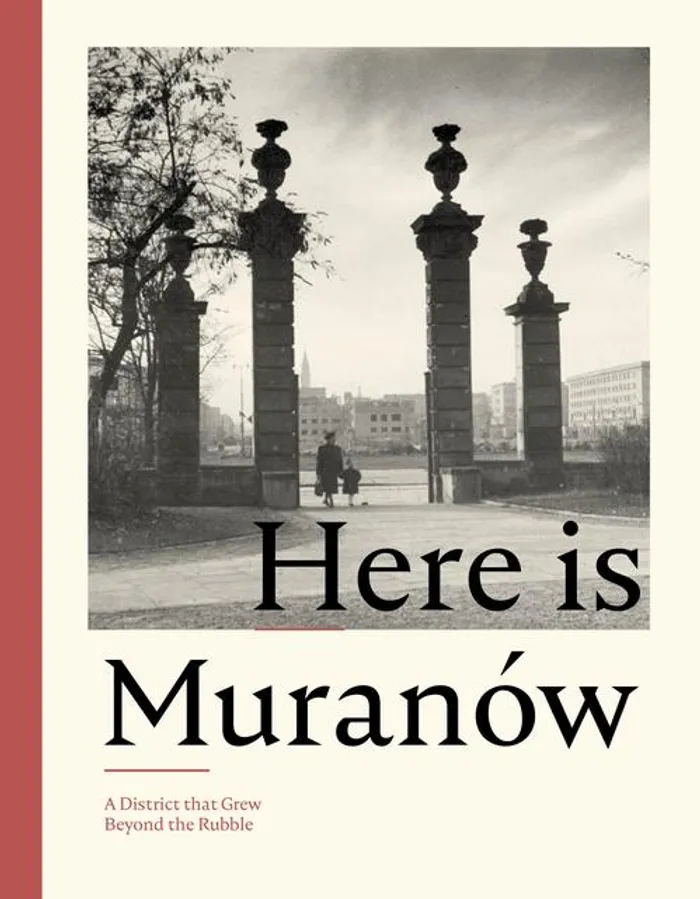
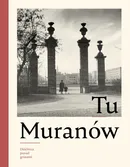
Here is Muranów. A District that Grew Beyond the Rubble
Koszty dostawy
Odbiór w punkcie
Dostawa na adres
Czas oczekiwania na zamówienia = realizacja + dostawa przez przewoźnika
Zobacz więcejSzczegóły produktu
Więcej informacji
| EAN | 5900497302005 |
|---|---|
| SKU | 300143033 |
| Data wydania | 13 cze 2020 |
| multiformat | eBook |
| Format pliku | eBook (epub,pdf) |
| Format pliku elektronicznego | eBook |
| Wydawca | POLIN |
- Data wydania
- 13 cze 2020
- Format pliku
- eBook (epub,pdf)
- Wydawca
- POLIN
Here is Muranów. A District that Grew Beyond the Rubble
Here is Muranów. A District that Grew Beyond the Rubble: Odkryj historię i duszę warszawskiego Muranowa
Zapraszamy do poznania niezwykłej historii Muranowa, dzielnicy, która przeszła od największej społeczności żydowskiej w Europie, przez dramatyczne wydarzenia wojenne, aż po nowoczesną, wielowarstwową tkankę miasta. W naszych rekomendacjach znajdziesz zarówno głębokie analizy historyczne, jak i osobiste opowieści, które pozwolą Ci spojrzeć na ten wyjątkowy teren z różnych perspektyw — od archeologii, przez socjologię, aż po architekturę i naturę. Odkryj z nami, jak Muranów odradzał się z ruin i nadal opowiada swoją niezwykłą historię.
Po jakie produkty jeszcze warto sięgnąć:
- Church ministries in the first century: This insightful book explores the historical development of Church ministries such as apostles, bishops, presbyters, deacons, prophets, and teachers. It offers a contemporary perspective on these roles, especially in light of recent discussions within the Church, including the Synod of Amazonia, making it a must-read for those interested in ecclesiastical history and modern church debates.
- The Laughter of Life and Death Personal Stories of the Occupation, Ghe: Dive into powerful personal stories and testimonies from Poland during World War II and the occupation period. This book highlights laughter as a form of resistance and resilience amid social crises, providing a profound understanding of humor’s role in survival and maintaining humanity during dark times.
- (Mis)Reading America: This compelling book examines the myths, stereotypes, and conflicting interpretations surrounding North America, especially the United States. It reveals how perceptions have been shaped and reshaped over centuries, making it an essential read for those interested in cultural studies and American history.
- Fixed Calendar – unified Gregorian calendar: Discover the history and development of the calendar we use today, from Julius Caesar’s Julian calendar to Pope Gregory XIII’s reform. This book explains the minor yet significant adjustments that have standardized our measurement of time, perfect for history enthusiasts and those curious about timekeeping.
- From the history of Poland 10th-20th century: This comprehensive work traces Poland’s history from the late Middle Ages through modern times, focusing on key events like the Polish-Lithuanian Union and the fall of the Polish-Lithuanian Commonwealth. It provides valuable insights into Poland’s evolving national identity and historical challenges.
- The ethnography of historiography developed in the Polish People’s Rep: Explore the anthropological approach to historiography in communist Poland, emphasizing the cultural and methodological aspects of historical thought. This book offers a unique perspective on how history is studied and interpreted within a specific socio-political context.
- Prosopographical studies on the court elite in the Roman Empire (4th c: This detailed study investigates the elite officials of the Roman Empire’s 4th century, focusing on their social backgrounds, roles, and influence within the imperial court. It provides a valuable resource for scholars interested in Roman political and social history.
- Contemporary thought in the field of history: ethnographic notes: Shift your perspective on historical thinking with this book that emphasizes realistic and specific approaches to major issues. It offers ethnographic insights into how contemporary historians perceive and analyze historical phenomena, enriching your understanding of historiography.
- Politics of erasure. From “damnatio memoriae” to alluring void: This thought-provoking book examines strategies of erasure in art and history, from the destruction of memory to the aestheticization of voids. It explores how visual arts and historiography deal with themes of exclusion, memory, and rewriting history, making it essential for students of cultural and political studies.
- Painting and sculpture by Polish Jews in the 19th and 20th centuries: Discover the rich artistic contributions of Polish Jewish painters and sculptors from the 19th to the early 20th century. The book provides a comprehensive overview of their works, symbolism, and social influences, complemented by rare photographs and reproductions that highlight their cultural significance.

Here is Muranów. A District that Grew Beyond the Rubble