W dniu dzisiejszym kontakt z Biurem Obsługi Klienta jest możliwy jedynie drogą mailową.
Przepraszamy za niedogodności. więcej

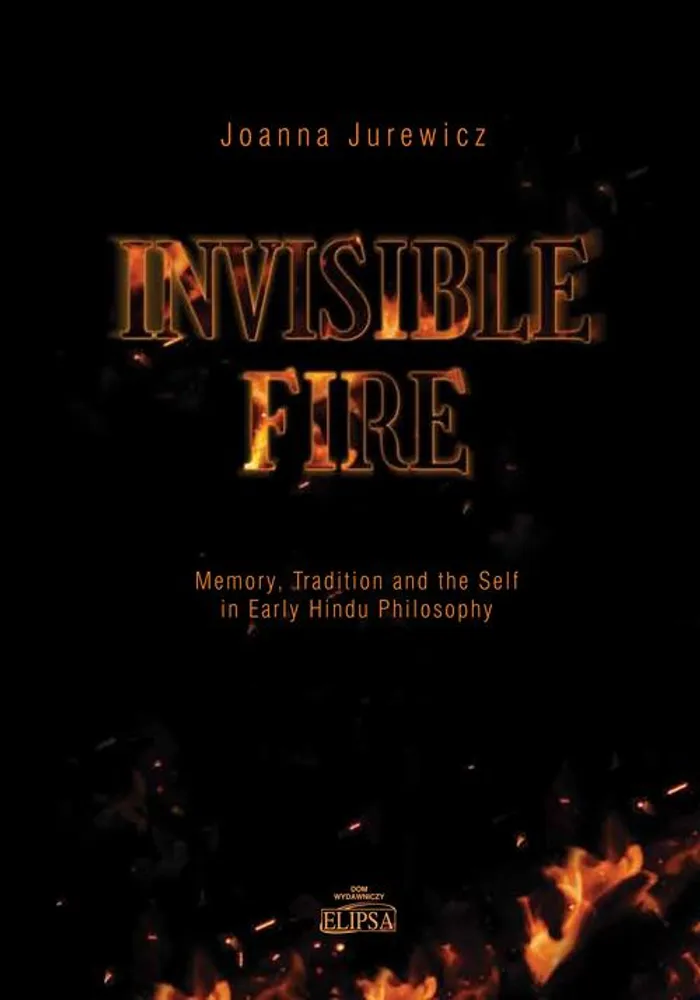
Invisible Fire Memory Tradition and the Self in Early Hindu Philosophy

Joanna Jurewicz
63,00 zł

Ostatnie sztuki
Invisible Fire Memory Tradition and the Self in Early Hindu Philosophy

eBook

63,00 zł

Szczegóły produktu

Data wydania
1 sty 2021
Format pliku
eBook (pdf)
Autor/Redaktor
Joanna Jurewicz

Invisible Fire Memory Tradition and the Self in Early Hindu Philosophy

This book consists of five chapters. In the first chapter, we look at early Sm?ti cosmogonies presented in MS 1 and MDhP 175–176, 240. It is argued that the creation of the world is seen as a cognitive act during which one reality manifests its aspect within which it cognises itself in subject-object cognition. Ontic changes are the results of epistemic transformations. The Composer of the MS presents a coherent model the levels of which corresponds to levels of creation of the self, beginning with mental abilities, then abilities for sensual cognition and finally the body endowed with the ability to move. The selves of reality are as follows: the cosmos, ritual, society, man and unmanifest reality present within them. All these manifestations are conceived in terms of man. In the second chapter we discuss the implications of creation conceived as presented in the first chapter. It will be shown that adopting the assumption about the primarily cognitive nature of creation allows for a new look at the ontology presented in the early Sm?ti. Its basic implication are two perspectives as to how reality can be described. These two perspectives are already described by Yajnavalkya in BU 3–4. The third chapter is devoted to a discussion of wrong cognition. It is argued that philosophical anthropology can be explained on the basis of the subject-object cognition scenario in terms of which the functioning of the cosmos is conceived. Wrong cognition causes man to treat the epistemic division of reality as ontic and himself as an ontically separate subject. Since cognition precedes being the way man thinks has ontic results. In the fourth chapter, we consider liberating cognition which is the opposite process to wrong cognition and consists of the decompression of the amalgamate agent, the radical transformation of consciousness and a change of cognitive perspectives from the perspective of the particular subject to the perspective of reality. We can call this the process of ‘subjectivisation’. It begins with the proper desire to cognise oneself i.e., the unmanifest self of man. The fifth chapter is an analysis of the early Sm?ti thought using some theories proposed in the humanities. The first two are developed within the framework of cognitive linguistics.. The third section of this chapter is devoted to the analysis of the theories of play (beginning with Johan Huizinga), philosophy (Eugen Fink, Hans-Georg Gadamer) and psychoanalysis (Donald Winnicott) and the possible use of these approaches to analyse early Sm?ti thought. In the fourth section, we look at the concept of karman through the lens of the theory of responsibility proposed by Roman Ingarden to show the moral dimension of the early Hindu theory of action.

 

Recenzje (0)

Zainspiruj się kategoriami tego produktu

Książki tego autora
Książki tego wydawnictwa

Invisible Fire Memory Tradition and the Self in Early Hindu Philosophy: Odkryj głębię pradawnych koncepcji

Zapraszamy do fascynującej podróży w świat wczesnej filozofii hinduistycznej, gdzie kreacja świata i jaźni splatają się w unikalnych narracjach. Ta książka otwiera przed czytelnikami nowe perspektywy na temat kosmogonii, epistemologii i tożsamości, a także stanowi doskonałą rekomendację dla miłośników literatury i kultury z różnych zakątków świata, takich jak literatura polska, hebrajska, czy azjatycka. Odkryj z nami bogactwo myśli i inspiracji, które mogą wzbogacić Twoje rozumienie tradycji i tożsamości w kontekście historycznym i kulturowym.

Po jakie produkty jeszcze warto sięgnąć:

  1. Polish and Hebrew Literature and National Identity: Odkryj fascynujące podobieństwa i różnice między literaturami polską a hebrajską. Ta książka to efekt konferencji, która zgromadziła wybitnych badaczy z Polski i Izraela, oferując głębokie refleksje na temat tożsamości narodowej i kultury.
  2. Crossroads of Liberty. Asian, African and European Literature Towards: Zbiór artykułów prezentujących różnorodne podejścia do literatury Azji, Afryki i Europy. Ta publikacja stanowi fascynującą podróż przez współczesne teksty, ukazując ich wpływ i znaczenie w kontekście globalnym.
  3. War and Peace in Indian Literature and Culture: Przeanalizuj, jak wojna i pokój są przedstawiane w indyjskiej literaturze i kulturze. Ta książka to wynik międzynarodowego seminarium, które rzuca światło na złożone relacje między konfliktem a społeczeństwem indyjskim.
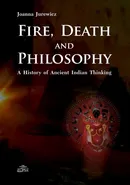
  4. Fire Death and Philosophy: Poznaj fundamenty starożytnej indyjskiej filozofii oparte na tekstach świętych z okresu od 13. do 6. wieku p.n.e. Ta publikacja odsłania głębię duchowych i intelektualnych korzeni Indii.
  5. Oriental Studies Global and Local Perspektives: Zbadaj, jak lokalne i globalne podejścia wpływają na badania nad kulturami Azji. Ta książka ukazuje, jak różnorodne aspekty kulturowe, religijne i społeczne kształtują nasze rozumienie Orientu w kontekście światowym.
  6. Witnessing Karachi: Zanurz się w historię Karachi lat 90., pełną przemocy i konfliktów, poprzez literackie obrazy tego miasta. Ta książka to unikalna analiza, która pozwala spojrzeć na Karachi oczami jego mieszkańców i twórców.
  7. Vibrational Spectroscopy: From Theory to Applications: Poznaj podstawy spektroskopii wibracyjnej, narzędzia kluczowego w naukach chemicznych i medycznych. Ta książka zawiera teoretyczne wyjaśnienia i praktyczne ćwiczenia, idealne dla naukowców i studentów.
  8. Master's Dissertation in English Literature. A Practical Guidebook: Odkryj praktyczne wskazówki i przykłady dotyczące pisania prac magisterskich z literatury angielskiej. Ta publikacja to nieocenione wsparcie dla studentów i doktorantów, którzy chcą skutecznie realizować swoje projekty.
  9. Catalogue of the Tibetan Texts in the Pander Collection: Part A (compl: Zapoznaj się z katalogiem tekstów tybetańskich zgromadzonych w kolekcji Pander. Ta książka to szczegółowe źródło informacji dla badaczy i miłośników kultury tybetańskiej, zawierające dane o autorach, tekstach i ich pochodzeniu.
  10. Galician Polyphony Places and Voices: Odkryj bogactwo kultury Galicji poprzez badania nad jej literaturą i muzyką. Ta publikacja ukazuje różnorodność głosów i miejsc, które tworzą unikalną mozaikę galicyjskiej tożsamości i tradycji.

Invisible Fire Memory Tradition and the Self in Early Hindu Philosophy

63,00 zł