Gwarancja dostawy nawet na następny dzień! Zobacz więcej

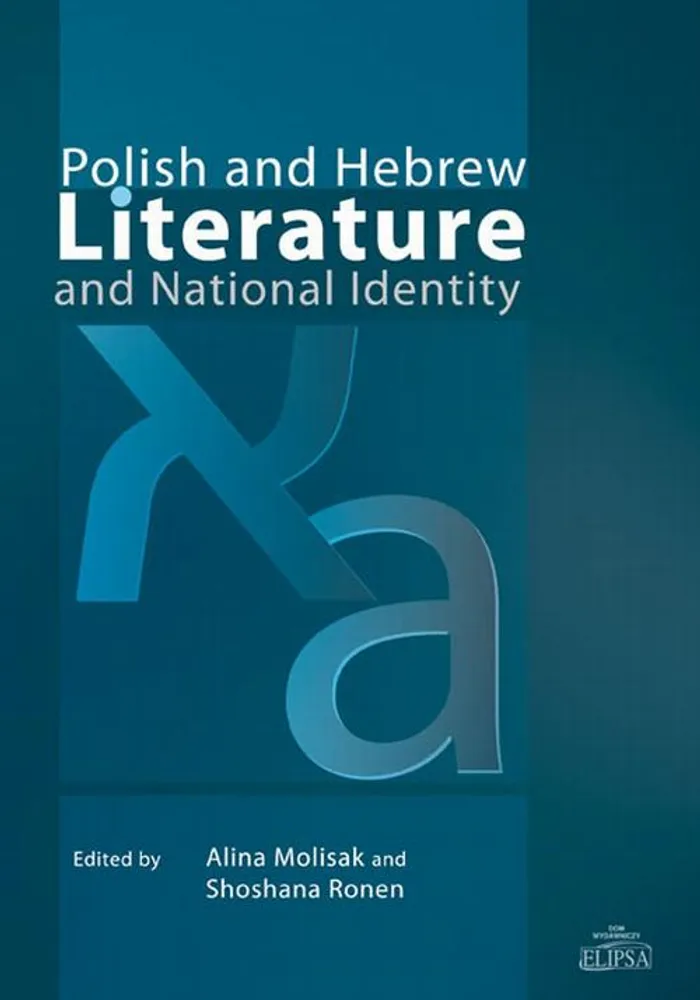
Polish and Hebrew Literature and National Identity

33,60 zł

Ostatnie sztuki

Szczegóły produktu

Data wydania
1 paź 2021
Format pliku
eBook (pdf)

Polish and Hebrew Literature and National Identity

During many meetings and conversations in the last ten years about our profession or even one could say passion – literature, we had the impression that there is much in common between our two literatures – Polish and Hebrew. We decided to put our intuition to the test and see how much truth there is to it, and we organized the conference “Polish and Hebrew Literature and National Identity”, which took place at the University of Warsaw in October 2009. We invited brilliant scholars from both sides, Poland and Israel, who picked up the gauntlet, offering their reflections and prompting discussion on the relations between nationhood and literature from different perspectives. This book compiles extended and revised versions of the papers presented at the conference. During the conference sessions, discussions, conversations, as well as the social events in the evenings, we came to the conclusion that there are some very important questions and problems which both literatures address and struggle with. The first, and perhaps most central issue is the construction of the concept of nationality; namely, the symbols, myths and images which create national identity. This question has several aspects: Polish, Jewish, Polish- Jewish, Israeli, with another important element being whether the author writes in his/her homeland or in the diaspora. Within these aspects we could recognize similarities between Polish and Hebrew literatures. Here we have to underline that, in our understanding, what defines a literature as Polish or Hebrew is the language of the work and not the national-religious identity of the writer. In the opening article, Anita Shapira illustrates Hebrew literature’s reciprocal relations with Zionism, a complex link with a dual perspective, both encouraging and doubting. In her wide-ranging study she shows that it was common for different literatures to shape their respective national 10 consciousnesses. Through their works, the likes of Pushkin, Mickiewicz, Byron, Smetana, Scott, Hugo and many others formed national identities and political consciousness. Secularization played a great role in this. Instead of the Scriptures, which had lost their hold among the intelligentsia, it was secular literature that created a national-cultural community in the language of the nascent nation. The power of literature was decisive because it is literature that impacts the imagination and emotions most effectively. However, Shapira shows that it was not only Hebrew literature which shaped the Zionist mind, as by and large the highbrow of Hebrew belles-letters consisted of elitist writers who created critical, challenging, pessimistic, and individualistic works, which were by definition intended for a relatively limited readership. Shapira claims that the canon that shaped the Zionist narrative included Hebrew and translated literature, highbrow and lowbrow alike. In that light she points to the influence Polish literature had on the Zionist narrative.
 

Recenzje (0)

Zainspiruj się kategoriami tego produktu

Książki tego wydawnictwa
Prawo samorządowe a odpowiedzialność represyjna
65,00 zł
Konsekwencje wojny na Ukrainie dla polskiego przemysłu obronnego i jego zaplecza badawczo-rozwojowego
23,00 zł
Horyzont polszczyzny. Prace ofiarowane Profesorowi Stanisławowi Dubiszowi
63,00 zł
Państwo i wojna w kauzalnym związku.
66,00 zł
Doczepki Eseje i szkice literackie
45,00 zł
Od partii protestu do partii u władzy
33,00 zł
Koncepcja unii energetycznej - uwarunkowania i bariery realizacji
34,00 zł
Makowiecki
36,00 zł
Security i Indo-Pacific and development of Oceania: Commonwealth's presence in the region
32,00 zł
Future Submarine Operating Environment
15,00 zł

Polish and Hebrew Literature and National Identity: Odkryj wspólne korzenie i różnorodność kultur

Zapraszamy do lektury fascynującej publikacji, która zgłębia relacje między polską a hebrajską literaturą, ukazując ich wpływ na kształtowanie tożsamości narodowej. W oparciu o konferencję zorganizowaną na Uniwersytecie Warszawskim, książka ta prezentuje refleksje wybitnych badaczy z Polski i Izraela, poruszając tematy od pamięci i tradycji po współczesne wyzwania literatury w kontekście narodowości. To doskonała propozycja dla miłośników literatury i kultury, którzy chcą poszerzyć swoje horyzonty i odkrywać nowe perspektywy.

  1. Invisible Fire Memory Tradition and the Self in Early Hindu Philosophy: Odkryj fascynujące spojrzenie na wczesne filozofie hinduistyczne, które analizują proces tworzenia świata jako akt poznawczy. Ta książka zagłębia się w poziomy tworzenia jaźni, od zdolności mentalnych po ciało, ukazując głębokie powiązania między epistemologią a ontologią.
  2. Crossroads of Liberty. Asian, African and European Literature Towards: Ta zbiorowa publikacja prezentuje różnorodne spojrzenia na literaturę Azji, Afryki i Europy, analizując współczesne dzieła literackie z różnych perspektyw. Idealna dla miłośników literatury poruszających tematy wolności i tożsamości na tle globalnym.
  3. Witnessing Karachi: Przeniknij do serca Karachi lat 90., miasta pełnego konfliktów i przemocy, poprzez literackie obrazy ukazujące życie w tym burzliwym okresie. Ta książka to unikalne spojrzenie na miasto z perspektywy jego mieszkańców i twórców literatury urdu.
  4. Master's Dissertation in English Literature. A Practical Guidebook: Praktyczny przewodnik dla studentów i doktorantów piszących prace magisterskie z literatury angielskiej, zawierający cenne wskazówki i przykłady, które pomogą pokonać trudności i osiągnąć sukces w badaniach naukowych.
  5. Fire Death and Philosophy: Ta książka rekonstruuje fundamenty indyjskiej filozofii, opierając się na starożytnych tekstach wedyjskich, ukazując ich religijne i kulturowe znaczenie. To fascynujące studium dla każdego zainteresowanego duchowością i historią myśli indyjskiej.
  6. War and Peace in Indian Literature and Culture: Analiza konfliktów i harmonii w literaturze indyjskiej, oparta na międzynarodowym seminarium, ukazuje złożoność relacji między wojną a pokojem w kulturze tego kraju. To obowiązkowa lektura dla miłośników literatury i historii Indii.
  7. Catalogue of the Tibetan Texts in the Pander Collection: Part A (compl: Kompleksowy katalog tekstów tybetańskich z kolekcji Pander, zawierający szczegółowe informacje o autorach, miejscach powstania i sfragach. Idealne narzędzie dla badaczy i miłośników kultury tybetańskiej.
  8. Striking the Chords of Spirit and Flesh in Polish Poetry. A Serendipit: Ta zbieranina esejów poświęconych polskiej poezji od baroku do współczesności ukazuje związek między ciałem a duchem. Inspirująca lektura dla miłośników literatury i kultury polskiej.
  9. A slow scream: trauma and madness in the biographemical early works of: Analiza wczesnych dzieł Lobo Antunes, ukazująca wpływ doświadczeń traumy i szaleństwa na jego twórczość. To cenne spojrzenie na literaturę, psychologię i zdrowie humanistyczne.
  10. Existence, Aesthetics, Criticism. Studies in Polish Romanticism: Przegląd romantyzmu polskiego, podkreślający jego rolę w kształtowaniu nowoczesnej klasy intelektualnej. Książka dla pasjonatów historii literatury i myśli romantycznej.
Polish and Hebrew Literature and National Identity

Polish and Hebrew Literature and National Identity

33,60 zł